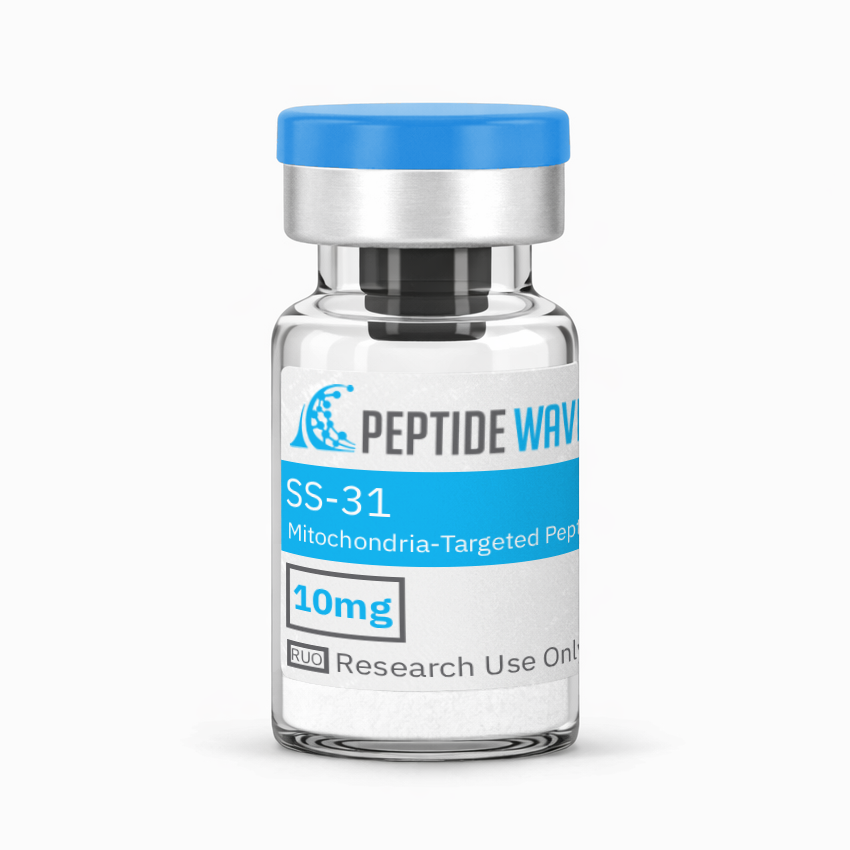
CAS Number: 736992-21-5
Molecular Formula: C₃₂H₄₈N₈O₆
Molecular Weight: 640.78 g/mol
Sequence: D-Arg-Dmt-Lys-Phe-NH₂ (4 amino acids)
What is SS-31?
SS-31 (Also known as Elamipretide or MTP-131) is a synthetic, water-soluble tetrapeptide (D-Arg-Dmt-Lys-Phe-NH2) that acts as a mitochondria-targeted therapeutic agent. SS-31 has attracted significant research interest. PubMed Central
Mechanism of Action
SS-31 works by selectively targeting the inner mitochondrial membrane. It binds with high affinity to cardiolipin, a unique phospholipid essential for maintaining the structure of mitochondrial cristae and the efficiency of the electron transport chain . This binding stabilizes the mitochondrial membrane, prevents the peroxidation of cardiolipin, and inhibits the peroxidase activity of cytochrome c, ultimately reducing the production of reactive oxygen species and restoring ATP synthesis.
Therapeutic Effects
By protecting mitochondrial function, SS-31 reduces oxidative stress, inhibits mitochondrial permeability transition (a key step in cell death), and decreases inflammation . It has demonstrated protective effects in preclinical and clinical studies across a range of conditions involving mitochondrial dysfunction, including ischemia-reperfusion injury, heart failure, kidney disease, and neurodegenerative disorders.
Areas of Active Research:
1. Heart Disease & Heart Failure
SS-31 is currently undergoing clinical trials for treatments of heart failure, primary mitochondrial myopathy, and other mitochondrial diseases. PNAS Clinical studies demonstrate significant enhancement in cardiac function in Barth syndrome and heart failure models, along with improved mitochondrial morphology and enhanced ATP production in cardiomyocytes. Paragonsportsmedicine
2. Kidney Disease
In studies of aged mice, SS-31 preserved mitochondrial integrity in glomerular epithelial cells, reduced cellular senescence, reduced podocyte injury, and increased glomerular endothelia — suggesting benefits for both the attenuation and reversal of age-related glomerular disease. Kidney International
3. Diabetes & Metabolic Disease
Research in type 2 diabetes patients found that SS-31 reduced mitochondrial oxidative stress by decreasing ROS production, increasing glutathione levels, and restoring membrane potential to levels comparable to healthy controls. Nature
4. Aging & Muscle Function (Sarcopenia)
Researchers have tested whether enhancing mitochondrial function and reducing mitochondrial oxidant production with SS-31 can address sarcopenia and exercise intolerance, which are major contributors to reduced quality of life in the elderly. PubMed Central
5. Eye Health (Glaucoma)
Since oxidative stress and mitochondrial dysfunction appear to contribute to retinal ganglion cell death, researchers have looked to SS-31 as a potential glaucoma treatment, with one review designating it a “novel neuroprotective ophthalmic drug.” Innerbody
6. Cognitive Health & Neuroprotection
SS-31 may inhibit the opening of the mitochondrial permeability transition pore, which has been implicated in neuronal death — making this a potential mechanism for cognitive health benefits. Clinical studies support its use as a treatment for aging-related changes in cognition. Innerbody
7. Spinal Cord Injury
A 2025 study found that SS-31 not only mitigates acute mitochondrial dysfunction after spinal cord injury but also promotes long-term functional recovery, possibly by preserving neuronal connectivity and reducing secondary degeneration. MDPI
Other Areas
Many studies have also assessed SS-31 as a potential treatment for osteoarthritis, hypertension, and liver cancer, with varying degrees of success in animal models. Innerbody
Reviews
There are no reviews yet.